
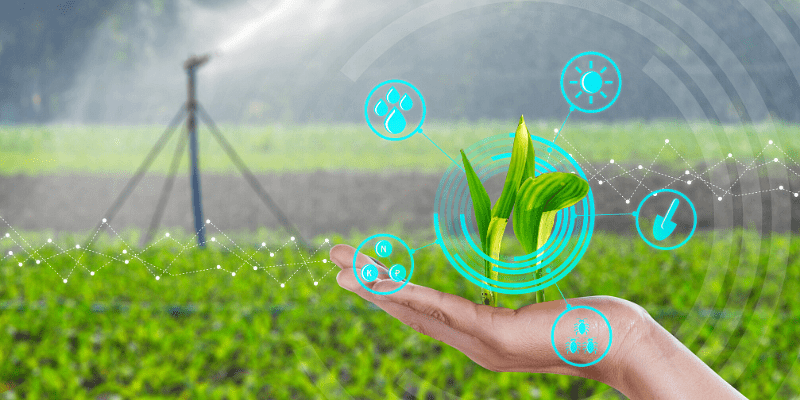
It is a turning point for Indian agriculture. Even though farming still provides employment to more than half of India’s population, traditional practices, climate change, the increase in costs and an inability to make much profit have made it tough. Here, Agri-startups have emerged as a potent force in unleashing innovation, technology and business models that are challenging every part of traditional Indian agriculture.
Agri-start-ups are much more than just another enterprise; they are the change agents who are enhancing productivity and lowering input costs, leading toa rise in the incomes of farmers. This is why agri-startups are seen as the future of Indian farming, which also includes better access to tractors and improved farm machinery.
1. Challenges in Traditional Indian Farming
Indian Farming Challenges: Here’s what you need to know before we discuss agri-startups –
- Small and fragmented landholdings
- Monsoon-dependent and capricious weather
- Low-quality seeds, fertiliser, and machinery are difficult to access
- High inputs and low prices
- No Technology, No Real-Time Information:
These problems have kept farm productivity and farmer incomes low for decades. These challenges are now being met by agristartups with a host of solutions ranging from to providing cheap tractor access, farm mechanization and more.
2. Technology-Driven Farming Solutions
Agri – tech agri start-ups are the biggest boon to the Indian Agriculture Technology Kisan Farmtech technology in agriculture. Many startups are introducing:
- Mobile apps for crop advisory
- AI-based soil and weather analysis
- Satellite and drone monitoring for crops
- Digital farm management platforms
Thanks to smartphones, farmers are also getting in-the-moment reports on weather forecasts, pest attacks, irrigation schedules and fertiliser application. This information-based farming limits risk and produces more.
3. Making Tractors and Farm Machinery Accessible
The farm power and mechanization are necessary for increasing productivity, but the cost of tractors/agricultural implements is beyond the means of small farmers. This problem is being solved by agri start-ups in the following ways:
- Tractor and equipment rental services
- Pay-per-use farming machinery
- On-demand access to modern implements
This enables farmers to access tractors, rotavators, seed drills, and harvesters without having to invest in the capital required, as well as ensuring they can produce more. These models are enabling small and marginal farmers to exploit mechanization and use modern farming devices.
4. Improving Input Quality and Availability
Lots of agri-startups are focusing on the production of good quality agricultural inputs, sales and marketing of these products to farmers. These include:
- Certified seeds
- Organic and bio-fertilizers
- Eco-friendly pesticides
- Soil health products
By eliminating middlemen, startups provide a better quality of goods at fair prices. This not only improves crop health but also helps farmers to get healthier, more sustainable yields.
5. Better Market Access and Fair Pricing
One of the biggest challenges for Indian farmers is getting a fair price when selling what they grow. Agri-startups are revolutionizing the way agricultural marketing works by:
- Connecting farmers directly to buyers
- Creating digital marketplaces
- Reducing dependency on local traders
- Offering transparent price discovery
These platforms enable farmers to receive better value for their produce, minimize post-harvest losses and ensure that they get paid on time. Farmer confidence is growing as the direct-to-market model raises income.
6. Boosting Sustainable and Organic Farming
Thanks to the rising health consciousness and environmental concerns, sustainable growing is becoming more significant. Agri-startups are promoting:
- Organic farming practices
- Natural pest control solutions
- Efficient water management
- Climate-resilient agriculture
These measures not only support an ecological system, but also allow the farmers to obtain top dollar for organic/chemical-free crops.
7. Employment and Rural Development
Agri-start-ups are also generating employment opportunities in rural side. They generate jobs in:
- Farm advisory services
- Logistics and supply chain management
- Equipment operation and maintenance (including tractors)
- Data analysis and agri-tech support
This contributes to curbing rural-urban migration and boosting the rural economy.
8. Government Support and Startup Ecosystem
The Indian government is also promoting the growth of agri-startups and facilitates them with the following:
- Startup India
- Digital Agriculture Mission
- Subsidies for farm technology
- Agri-incubation centers
This enabling environment is encouraging young entrepreneurs to bring innovation in the agriculture sector, and helping secure the long-term growth of agriculture.
9. Empowering Small and Marginal Farmers
Small or marginal farm holdings make up nearly 85% of Indian farms. Agri-startups are being conceptualised with these farmers in focus. Through the provision of affordable interventions, advisory support, and access to technology – including tractors and modern farm machinery – startups are enabling farmers to make informed decisions, reducing their reliance on traditional systems.
Conclusion
Agri-startups are transforming Indian agriculture by using technology, innovation, and farmers’ centric approach. Whether by improving access to tractors and farm machinery or delivering better market prices and sustainable practices, these startups are solving long-held problems in Indian farming.
As India segues into a more contemporary and sustainable framework for Agriculture, agri-startups are expected to be the proponents of change. They are not just revolutionizing the way farming is done, they are creating a smarter, more financially viable and sustainable future for Indian farmers.