
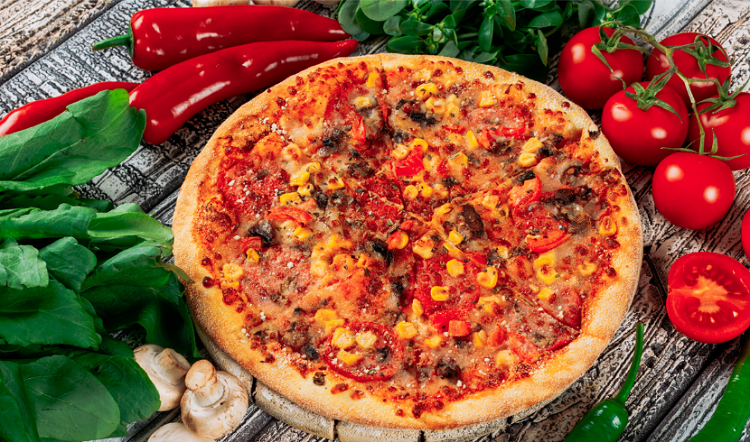
Italian fast food has found a home in the Southern Cone of South America. This is a thing. Italy is far from Argentina, Chile, and Uruguay. People in these countries really like Italian food. They like pizza, pasta, and focaccia. They have even changed these foods to make them their own.
Italian food was first made by immigrants who were feeling homesick. Now it is a part of the food scene in these countries. It is fast,t it is modern. It is very competitive. The way people live in cities is changing. They have less time and less money. So they need food that’s quick and affordable. Italian fast food is perfect for this.
In the past ten years, people in Santiago, Buenos Aires, and Montevideo have started to eat more Italian fast food. This is because it is easy to order food and have it delivered. Young people like to eat this way. There are restaurants and food chains competing with each other. In Chile, the pizza places are competing with each other to sell the food. You can learn more about this by looking at the Chile Pizza Market Trend. This shows how people are eating, ng how much they are paying, ing and how restaurants are using delivery to sell food.
This is not about food. It is about people living. They are working hours and using their phones to make their lives easier. They want food that’s familiar and affordable. Italian fast food is perfect for this. It is like a hug. It is fast and easy to get.
The Influence of Italian Culture on Food in the Southern Cone Region
We can better understand the changes that are occurring with food today by looking back through history. A large number of Italians immigrated to Argentina, Chile, and Uruguay in the late 1800’s and early 1900’s, bringing recipes, traditions, and philosophies along with them. As immigrants assimilated into the cultures of their adopted homes, they blended their recipes together with the ingredients and cooking methods that they found available.
Argentina is a prime example of this blending of cultures. There is historically a predominantly Italian influence upon Argentinean cuisine. This preference for Italian dishes is demonstrated in the number of times each day an Argentine citizen will consume an Italian food product. Pizza and pasta are consumed on a daily basis throughout Argentina. As opposed to Italy, regional influences have not restricted the preparation of Italian foods in South America, allowing for the creation of hybrid Italian dishes.
Examples of the three largest countries in South America show how they have incorporated Italian food and made it an integral part of their identity and culture:
- Argentina: Strong Italian influence on everyday food (pizza and pasta)
- Chile: Mixed with Spanish and Native South American influences
- Uruguay: Similar to Argentina, primarily a café lifestyle and Italian influence
Transformation in the Southern Cone- How Italian Food Went From Family-Owned Pizzerias to Fast Food Chains
Before change began to impact how Italian food could be found within the Southern Cone, it was primarily served out of neighborhood family-owned, small pizzerias. Pizzerias served thick-crust pizza with baked pasta and a wide variety of sauces that were slow-cooked in the pizzeria.
Over the last 20 years, the way Italian food is now found has changed dramatically from fast food to a mixture of fast food and family-owned and operated restaurants because of fast food culture as it developed in the last two decades, with the development of global fast food companies, digital ordering, and the way people eat Italian food has changed entirely.
The Four Key Changes Are:
- Pizza Delivery Apps/Other Delivery Software
- The Emergence of International Fast Food Companies
- The Opening of Local Fast Food Chains and the Associated Increased Demand for Inexpensive, Single-Serving Meals
Pizza in particular is at the centre of this transformation due to the low cost to provide, ready availability to customize, and the ability to adapt to all forms of delivery methods.
In a city such as Santiago and Buenos Aires, Pizza is no longer a sit-down meal; it is viewed as the primary method to get delivered food, for late-night meals or for workplace lunch food.
Chile is one of the best examples of how fast-casual pizza and Italian food have evolved. In the past ten years, Italian fast-casual dining has taken off in urban areas such as Santiago and Valparaiso.
Different factors are driving this transformation:
- Food delivery apps are now more widely available.
- Consumers in the middle class want inexpensive, convenient food.
- Food courts at malls are becoming more popular.
- More consumers want gourmet-style and artisanal-style fast food.
Fast-food Italian restaurants, unlike traditional restaurants, offer the option to customize your meal and/or speed up your order time compared to other types of restaurants. In addition to pizza, Italian fast-food restaurants in Chile serve thin and crispy pizza, create your own pasta bowl, and offer fusion toppings.
Chile has a unique balance between premium pricing and affordability. For example, consumers expect:
- Faster service than traditional restaurants.
- A higher-quality meal than at traditional fast-food restaurants.
- Flexible pricing options for specific items.
- To be able to order their food and/or drink using digital mediums.
Because of these factors, local businesses and international restaurants are rapidly developing new options and ways of serving their customers.
Due to the high level of competition in Chile for pizza and Italian food, local pizzerias are now competing against global chain restaurants. Both will need to be flexible with their ingredient choices, pricing options, and delivery options to be successful.
The Pizza Capital of South America: Argentina
Chile is known for its innovation, whereas Argentina is known for its combined traditional and mass-appealing pizza styles. Pizza in Buenos Aires is known as one of the most famous pizza cities in the world. What makes Argentine pizza unique is that it has:
- A thicker and doughier consistency
- A heavier cheese ratio than the toppings
- A rectangular shape rather than a circular one
- A strong local influence on baking styles
In addition to being eaten as a meal in restaurants, pizza became a daily meal for Argentines, leading to the growth of fast-food culture in Argentina based on pizza. Today, there are several types of pizza in Argentina that fall under the umbrella of fast food within the Italian food scene, as follows:
- Giant pizza chains supply pizzas to every corner of the country through delivery.
- Traditional pizzerias provide both take-out and dine-in options in their local barrios.
- Late-night pizza culture is contributing to Argentina’s popular nighttime social scene.
- A winning combo of using mobile apps to order food from a traditional restaurant.
The cool part about Argentina is that there is no total separation between fast food and traditional food. They have blurred the lines by providing a quick delivery of high-quality pizzas within 30 minutes of ordering.
Uruguayan Influence on the Southern Cone’s Food Scene
The southern cone has experienced the development of Italian fast food at a much larger and quicker pace than Uruguay, which tends to be overshadowed by its larger neighbors. That said, Montevideo, as the capital of Uruguay,y has a strong café culture, and pizza and Italian-style sandwiches are commonly consumed for meals throughout the day.
Compared to Argentina and Chile, both of which have large food service chains, Uruguay offers a more measured (i.e., stable) development of Italian fast food restaurants.
The characteristics that define the development of the Italian fast food segment in Uruguay include:
- Small but extremely loyal customer base
- Strong preference for casual dining,i.e.. sit-down restaurants, instead of large food service chains
- A greater emphasis on quality ingredients vs. price discounts
- Gradual acceptance of delivery services and delivery services
In Uruguay, the development of Italian fast food does not evolve as fast; it evolves at a controlled pace. Because of this stability, the small and large Italian fast food restaurants can coexist in a diverse customer base.
Reasons Why Italian Food Works So Well in Southern AmeriMany reasons help to explain the prominence of Italian Fast Food in Southern America.
There are numerous reasons, including cultural and financial:
1. Cultural Familiarity
The majority of cultures in Southern America have been exposed to Italian-style food. This helps eliminate the barrier of trying something new.
2. Low Cost
Pizza and pasta are generally cheaper than other food options, like steak or fish.
3. Flexibility
Italian Fast Food is very adaptable to local tastes and provides an opportunity for real local flavour.
4. Urban Lifestyle
The fast-paced lifestyle in the cities creates a need for quick and satisfying meals.
5. Increased Delivery Services
Delivery Applications like Rappi and PedidosYa have changed how people order food.
By having these factors together, there is a lot of potential for continued growth and evolution.
Rise of Delivery-Based Italian Fast Food Businesses
The biggest change to the restaurant industry in Southern America is the emergence of businesses built around delivery.
Many new Italian fast-food restaurant models don’t create their restaurant concept around a dine-in experience; they are built to maximise efficiency for delivery.
To optimise for delivery, many new Italian fast-food restaurants have implemented the following:
- Small kitchens only used for production
- Standardised menus to allow for quick preparation
- Packaging designed to maintain heat and texture
- Digital ordering systems that connect with a mobile application
Because of these changes, the way restaurants produce and provide Italian Food has changed significantly, and many customers never actually visit an Italian Restaurant, so they only interact with Italian Restaurants through app-based ordering systems.
Trends in Fusion: The Marriage of Italian Cuisine and Local Flavors
Italian fast food in the Southern Cone, like others that have developed outside the different parts of Italy over the years, never remains “pure” – it is always blended or fused with local flavours and ingredients.
Here are some examples of trends that blend or fuse Italian fast food with local flavours:
- Ají or other local hot sauces as toppings for pizza
- Pasta incorporating local cheeses and meats
- Pizza-style empanada fillings
- Chimichurri-flavoured sauces for pasta and/or sandwiches
Fusing Italian food flavours with local flavours keeps drinks and food menu items fresh and gives businesses a point of differentiation in a highly competitive market.
Fusing flavours also demonstrates a unique cultural identity; foods have been modified and/or transformed for the culture where these foods have been introduced.
The Impact of Technology on Transformation
Technology is a major force driving change in the Italian fast-food industry in the region.
Some key innovations in technology include:
- Mobile ordering
- Using AI to schedule deliveries
- Real-time tracking of orders from the time they are ordered until they arrive
- Loyalty programs using a digital platform
- Cloud kitchens (aka, ghost kitchens)
Fast food and delivery businesses can use these kinds of tools to scale their businesses quickly without the need for the capital investment required to expand their businesses to multiple physical locations.
Additionally, consumers benefit from quicker service times; more food and drink options “powered” by mobile ordering, and greater transparency around food and beverage prices.
Consumer Expectations are changing.
Today’s consumer in the Southern Cone expects more from an experience than a meal; they expect speed, consistency and great service.
As a result, there have been several changes in our industry, including:
- A greater demand for health-conscious options (e.g., gluten-free, low-fat)
- An increase in interest in eating premium fast casual restaurants (i.e., not mass-produced but rather made to order from quality ingredients)
- A customer preference for customized meals
- An expectation of fast delivery (30-40 minutes)
At the same time, consumers still seek comfort and indulgent meals. Pizza continues to be considered a treat food and is being ordered frequently.
Challenges in the Market
Although the Italian quick service restaurant market has grown, there are several challenges facing the industry in the Southern Cone:
1. Rising Costs
Profitability will be challenged by rapid inflation and continued fluctuations in ingredient prices.
2. Market Saturation
There is very high competition in major urban areas such as Buenos Aires and Santiago.
3. Delivery dependence
The heavy reliance on delivery service apps leads to lower profit margins due to multiple levels of commission charges.
4. Quality control
It is difficult to maintain consistent quality when you have multiple methods of providing service (delivery, dine-in).
With many industry challenges, businesses must continuously innovate in today’s competitive environment.
The Future of Italian Fast Casual in the Southern Cone
As we look into the future of fast casual Italian food in the Southern Cone, we see it continuing to develop in several ways.
- More cloud kitchens and delivery-only restaurants
- Further progress towards sustainable and less wasteful packaging
- More mid-range Fast Casual Italian restaurants that are also premium
- Greater utilisation of AI for personalisation within menus
- Continued melding of local and regional culinary traditions
In the future, Fast Casual Italian food will continue to complement Traditional restaurants rather than replace them. Both types of dining are necessary and are met by both in urban living today.
Final Thoughts
Italian Fast Casual food in the Southern Cone has transitioned from simply another form of interesting food from another culture to what has now become a cultural ecosystem in its own right. Each of these three southern cone countries’ unique contributions to the identity of the region, through the many different ways, such as Italy’s pizza, the digitised food market of Chile, le and the very traditional, are all cafe style in Uruguay.
What makes this evolution interesting is that it is so adaptable. Italian, like any other culture, will evolve by accepting outside influences, adjusting to the economic conditions of today and to the technological advances of tomorrow, while stillretaining itsr comforting and familiar qualities. As the way we consume food continues to change, so will the way we view both pizza and Fast Casual/Italian Food as part of life in the modern urban world.