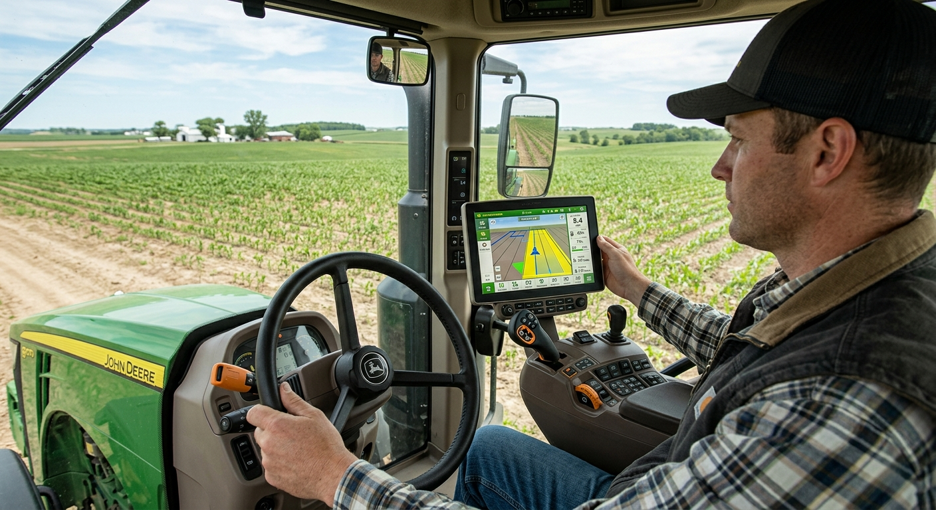
A tractor idling in a muddy field used to be a mystery to everyone but the operator behind the wheel. Today, that same tractor can report its exact location, fuel level, engine hours, and maintenance needs to a farm manager’s phone before the operator even climbs down from the cab. That shift is the result of agricultural machinery telematics, a technology that is quickly becoming as common on large farms as GPS guidance and yield monitors.
Telematics systems combine GPS tracking, onboard sensors and wireless data transmission to give farmers and fleet managers a continuous stream of information about how their equipment is performing. As margins tighten and labour grows harder to find, that visibility is becoming less of a luxury and more of a business necessity.
What Agricultural Telematics Actually Does
At its core, a telematics system is a small onboard computer that collects data from a machine’s engine, transmission and other components, then transmits it over a cellular or satellite network to a cloud-based platform. Farmers and fleet managers can then view that information on a computer or smartphone app, often in near real time.
Most agricultural telematics platforms track a similar core set of metrics, including:
- Machine location and movement, including field boundaries and travel routes
- Engine hours, fuel consumption and idle time
- Diagnostic trouble codes and maintenance alerts
- Equipment utilization rates across a fleet
- Operator performance data, such as speed and coverage overlap
Major equipment manufacturers, including John Deere, Case IH, AGCO and Kubota, now build telematics hardware directly into new machines. Older equipment can often be retrofitted with aftermarket telematics units, which have helped smaller operations adopt the technology without buying entirely new fleets.
Why Telematics Matters for Today’s Farms
Farm equipment is one of the largest capital investments an operation makes, and every hour a machine sits broken down during planting or harvest can mean lost yield and missed weather windows. Telematics addresses that risk in several practical ways.
Reducing Downtime Through Predictive Maintenance
Instead of waiting for a breakdown, telematics systems flag warning signs, such as unusual engine temperatures or pressure changes, before a component fails. That allows farmers to schedule repairs during slower periods rather than in the middle of a harvest push. Some platforms can even alert a dealer’s service department automatically, shortening the time between a diagnosis and a fix.
Improving Fleet Utilization
Large operations and custom applicators often run mixed fleets across multiple fields or even multiple counties. Telematics dashboards show which machines are working, which are idle and which are sitting unused, making it easier to reassign equipment instead of renting or buying more than is needed.
Cutting Fuel and Labor Costs
Tracking idle time and fuel burn has a direct effect on the bottom line. Farm managers who review telematics reports regularly often find machines idling far longer than expected, whether from operator habits or inefficient field logistics. Addressing that waste can meaningfully lower fuel bills across a season.
Supporting Remote Fleet Management
With rural labour in short supply, many operations are managing more acres with fewer people. Telematics lets one manager oversee equipment spread across a wide area from a single screen, cutting down on the windshield time once needed to physically check on every machine.
Challenges Farmers Should Weigh Before Adopting Telematics
Telematics offers clear benefits, but it isn’t without obstacles. Farmers considering an investment should think through a few common hurdles.
- Rural connectivity gaps: Many fields still have weak or no cellular coverage, which can delay data transmission until a machine returns to a stronger signal area.
- Data ownership questions: Farmers should understand who owns and can access their equipment and field data, and whether it can be shared with third parties without consent.
- Compatibility across brands: Farms running equipment from multiple manufacturers may need a third-party platform to consolidate data into one dashboard.
- Subscription and hardware costs: Many telematics services require ongoing subscription fees on top of the initial hardware, which operations need to factor into their budgets.
Getting Started with Telematics
Farmers weighing whether to adopt telematics on their operation can take a few practical steps before making a purchase.
- Start with the machines that matter most, such as high-hour tractors or combines that run during tight harvest windows.
- Ask equipment dealers whether telematics hardware is already built into current machines and simply needs to be activated.
- Compare subscription costs and data-sharing policies across platforms before committing to one system.
- Set aside time each week to actually review the reports; the value of telematics comes from acting on the data, not just collecting it.
The Road Ahead
As equipment prices climb and labor remains tight, the case for telematics keeps getting stronger. Industry analysts expect adoption to keep growing over the next several years, particularly as satellite connectivity improves coverage in remote fields and platforms become easier to use across different equipment brands. For many operations, telematics has moved from an optional upgrade to a standard part of managing a modern farm.
The technology won’t replace the judgment of an experienced operator or manager. But by turning a machine’s daily performance into data anyone on the team can see, telematics is giving farmers one more tool to protect their equipment, their time and their bottom line.
Author’s Bio: Mandar Shewale is a Marketing Specialist at Research Intelo with experience in digital marketing, SEO, content planning, and market research communications. He works on content development, search optimization, and marketing coordination across research-focused projects. His work involves supporting online visibility initiatives and maintaining content quality across digital platforms.